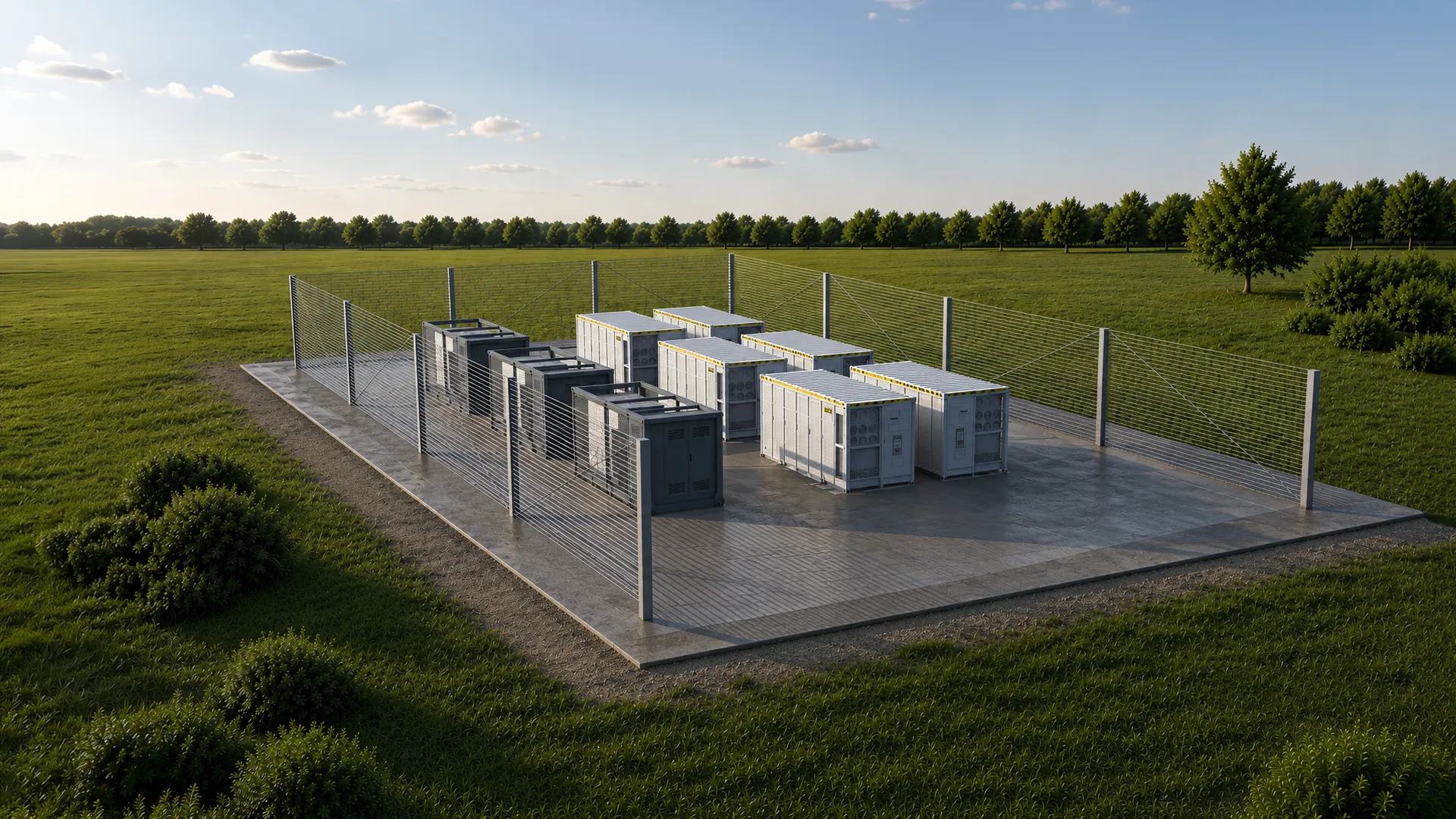
Battery Energy Storage Systems
Large-scale energy storage systems
Demand for reliable and flexible energy storage is growing rapidly. Our battery systems provide large-scale solutions that support a stable electricity grid and work seamlessly with renewable energy sources such as solar and wind. They make it possible to store energy efficiently and use it when it is needed. For grid balancing, market participation, or increasing flexibility within the energy system.
Do you recognize these challenges?
- Grid congestion hinders new connections and expansions
- Maintaining the balance between electricity demand and supply
- Ensuring the reliability of the electricity grid
- Increasing load due to electrification and renewable energy
- Create flexibility within limited grid capacity
Zeppelin Power supports grid operators, developers, and planners of energy infrastructure with smart, future-proof energy storage systems. With a century of experience in energy supply, we combine in-depth engineering with proven technology. From advice and design to integration, monitoring, and service: together, we deliver reliable, future-proof energy infrastructures.
How can we help you?

David Kuipers
Can I help you?
Why choose our energy storage systems?
What components make up a battery energy storage system (BESS)?
A Battery Energy Storage System (BESS) consists of more than just batteries. In addition to the battery modules, the system also includes an Energy Management System (EMS), Medium Voltage Power Station (MVPS) and MV Switchgear (MVS). PV solar panels can also be part of the overall solution. View the different components and their role within the system below.
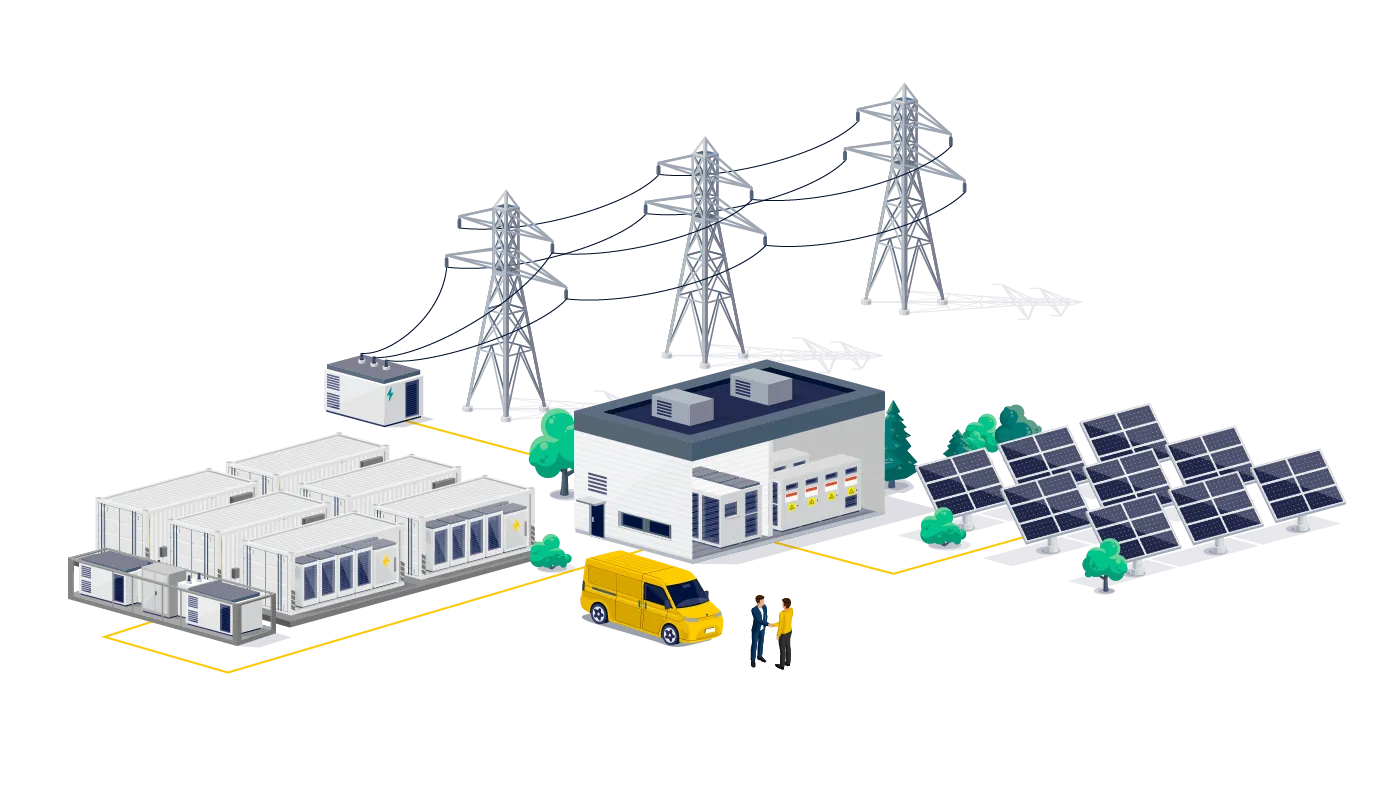
Batteries play an important role in efficiently using renewable energy and form the core of our energy storage systems. They act as a buffer between energy generation and energy consumption, helping to absorb fluctuations in the production of solar and wind energy.
Energy that is not used directly at a given moment can be stored in the available storage capacity within the battery system. At a later time, this energy can be used again, for example when energy demand is higher, during peak load, or when sustainable energy production is limited.
The battery systems we supply are built modularly and are scalable. This means the storage capacity and storage power can be matched to the specific energy needs and, depending on the selected system configuration, can be expanded later.
The medium-voltage substation forms an important link between the battery energy storage system and the medium-voltage grid. The substation brings the electrical voltage to the required level and, depending on the selected configuration, provides the distribution, protection, monitoring, and electrical isolation of the power.
In combination with the power inverter, the medium-voltage substation makes it possible to exchange energy with the electricity grid in a controlled manner. The power inverter converts the battery’s DC into AC for the installation or the electricity grid. When charging the battery, AC is converted into DC.
This combination makes it possible to safely integrate the battery energy storage system into larger energy installations and industrial electricity grids.
Solar panels convert sunlight into DC power. Through one or more inverters, this electricity can be used directly within the installation, supplied to the electricity grid, or stored in the battery energy storage system.
When solar energy production is higher than the current consumption, the energy surplus can be stored in the battery. For this, sufficient storage capacity and charging power must be available. During periods with little sun, higher energy demand, or peak load, the stored energy can be used again.
The precise energy flow and the number of conversion steps depend on the system setup. In a DC-coupled system, the solar panels and the battery are connected on the DC side. In an AC-coupled system, the connection takes place on the AC side.
Solar panels and battery storage together form a flexible energy system that makes better use of locally generated solar energy. This can help reduce power peaks, limit export back to the grid, and reduce dependence on the electricity grid.
Our advanced Zeppelin-EMS continuously monitors and optimizes the energy flows within the installation. The system automatically controls the available energy sources, loads, and storage capacity based on predefined operating targets and current measured data.
In doing so, the energy management system also takes into account, among other things:
- the current energy demand of the installation;
- the available renewable energy generation;
- the state of charge and available capacity of the battery system;
- the battery’s charging and discharging power;
- the technical limits of the grid connection;
- any power peaks;
- set operating and safety conditions.
Depending on the available functions and data, the system can also take energy prices, weather forecasts, consumption forecasts, and limitations from the grid operator into account.
By aligning production, storage, and consumption, the Zeppelin energy management system contributes to a stable and efficient power supply. In addition, it can help to limit power peaks and operating costs, and to use the available grid capacity as efficiently as possible.
The medium-voltage switchgear ensures the safe switching, protection, and electrical isolation of the battery energy storage system with respect to the medium-voltage grid.
Protective relays and measuring systems continuously monitor the electrical values of the installation. When a deviation or fault is detected, the protection can command the relevant switching device. This allows the affected part of the installation to be switched off quickly and in a controlled manner.
In addition, the switchgear makes it possible to safely de-energize parts of the installation for inspection, maintenance, or repair. In this way, the medium-voltage switchgear contributes to the safety, reliability, and availability of the complete energy system.
Battery energy storage
Batteries play an important role in efficiently using renewable energy and form the core of our energy storage systems. They act as a buffer between energy generation and energy consumption, helping to absorb fluctuations in the production of solar and wind energy.
Energy that is not used directly at a given moment can be stored in the available storage capacity within the battery system. At a later time, this energy can be used again, for example when energy demand is higher, during peak load, or when sustainable energy production is limited.
The battery systems we supply are built modularly and are scalable. This means the storage capacity and storage power can be matched to the specific energy needs and, depending on the selected system configuration, can be expanded later.
Medium-voltage station
The medium-voltage substation forms an important link between the battery energy storage system and the medium-voltage grid. The substation brings the electrical voltage to the required level and, depending on the selected configuration, provides the distribution, protection, monitoring, and electrical isolation of the power.
In combination with the power inverter, the medium-voltage substation makes it possible to exchange energy with the electricity grid in a controlled manner. The power inverter converts the battery’s DC into AC for the installation or the electricity grid. When charging the battery, AC is converted into DC.
This combination makes it possible to safely integrate the battery energy storage system into larger energy installations and industrial electricity grids.
Solar panels
Solar panels convert sunlight into DC power. Through one or more inverters, this electricity can be used directly within the installation, supplied to the electricity grid, or stored in the battery energy storage system.
When solar energy production is higher than the current consumption, the energy surplus can be stored in the battery. For this, sufficient storage capacity and charging power must be available. During periods with little sun, higher energy demand, or peak load, the stored energy can be used again.
The precise energy flow and the number of conversion steps depend on the system setup. In a DC-coupled system, the solar panels and the battery are connected on the DC side. In an AC-coupled system, the connection takes place on the AC side.
Solar panels and battery storage together form a flexible energy system that makes better use of locally generated solar energy. This can help reduce power peaks, limit export back to the grid, and reduce dependence on the electricity grid.
Zeppelin energy management system
Our advanced Zeppelin-EMS continuously monitors and optimizes the energy flows within the installation. The system automatically controls the available energy sources, loads, and storage capacity based on predefined operating targets and current measured data.
In doing so, the energy management system also takes into account, among other things:
- the current energy demand of the installation;
- the available renewable energy generation;
- the state of charge and available capacity of the battery system;
- the battery’s charging and discharging power;
- the technical limits of the grid connection;
- any power peaks;
- set operating and safety conditions.
Depending on the available functions and data, the system can also take energy prices, weather forecasts, consumption forecasts, and limitations from the grid operator into account.
By aligning production, storage, and consumption, the Zeppelin energy management system contributes to a stable and efficient power supply. In addition, it can help to limit power peaks and operating costs, and to use the available grid capacity as efficiently as possible.
Medium-voltage switchgear
The medium-voltage switchgear ensures the safe switching, protection, and electrical isolation of the battery energy storage system with respect to the medium-voltage grid.
Protective relays and measuring systems continuously monitor the electrical values of the installation. When a deviation or fault is detected, the protection can command the relevant switching device. This allows the affected part of the installation to be switched off quickly and in a controlled manner.
In addition, the switchgear makes it possible to safely de-energize parts of the installation for inspection, maintenance, or repair. In this way, the medium-voltage switchgear contributes to the safety, reliability, and availability of the complete energy system.
Zeppelin Power concept design
With our unique energy simulation software, we help you find the optimal solution for your specific energy needs. By calculating different scenarios, you gain clear insight into the most efficient and sustainable options. Our experienced energy advisers are ready to work out a concept design for you, completely without obligation. This way, we guide you to a cost-efficient, future-proof, and reliable energy configuration.
- Unique service
- Completely without obligation
- Tailored to your personal situation
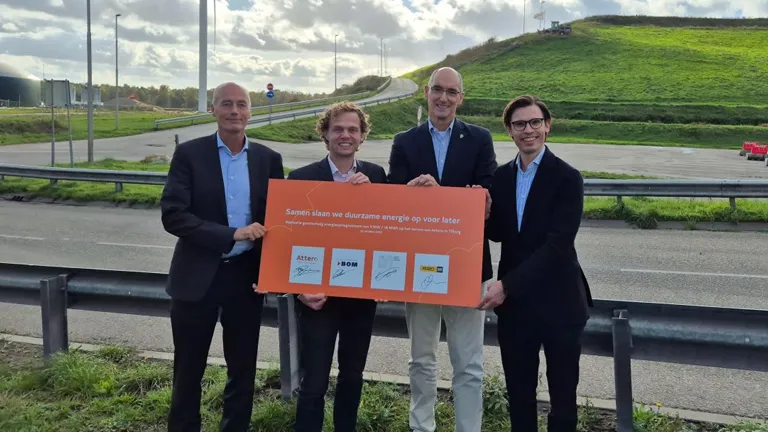
Zeppelin Power will realize battery storage in Tilburg
Zeppelin Power supplies a large-scale battery storage system of 9 MW / 18 MWh on the Attero site in Tilburg, intended to use renewable energy more efficiently and reduce grid congestion. The project is a collaboration between Attero, BOM and Energie Coöperatie Burgerwindpark Spinder and is managed by Vandebron.
Read more
Service and maintenance
At Zeppelin Power, we ensure that your energy storage system remains operational at all times. Our Customer Service Centre is available 24/7 for problems, and with our team of 170 technicians, working from our various locations across the Netherlands, we can resolve issues quickly.
How can we help you?
Our advisor is ready to help you with your questions and requests regarding large-scale energy solutions.
